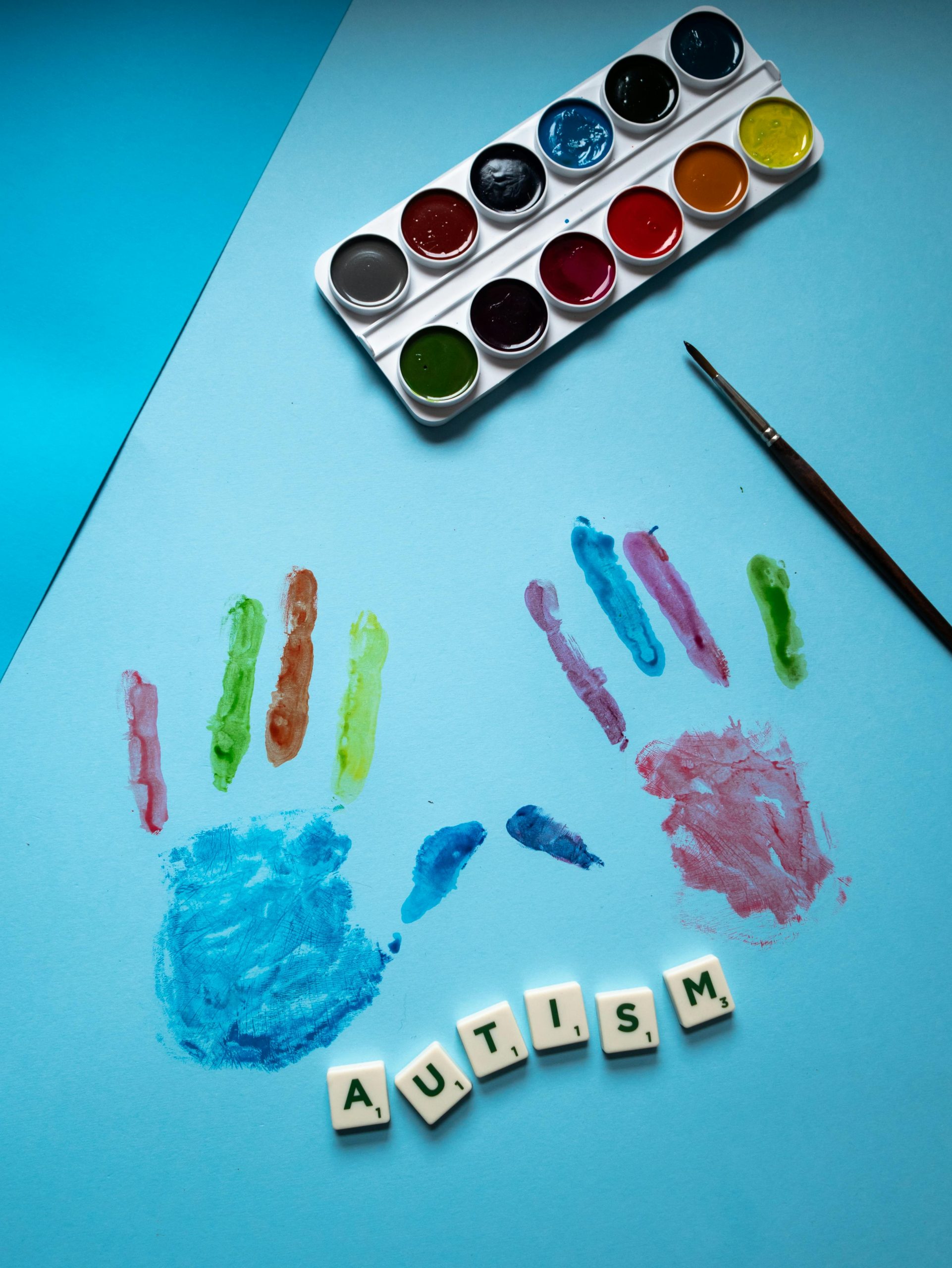
Children and teens with Autism benefit from having a safe space to talk.
In my work with youth on the Autism spectrum, I enjoy helping them to understand their diagnosis and to begin creating a healthy narrative about what it means to them. Often, children and teens with Autism experience social isolation as well as a desire to connect. Through therapy, I can provide support and also teach children about emotions. I utilize play, art, music, games, and talk therapy in session; these provide opportunities for children to process their experiences and learn about themselves in a healthy, safe way.
It is also extremely important for me to offer support to caregivers. A diagnosis of Autism may feel overwhelming and frightening, but this diagnosis does not mean that your child will not live a happy, fulfilling life. For children whose behaviors present a safety challenge in the community, or children whose behavior is quite disruptive at home, I offer behavior support as well. As a team, we can work to support your child and help him/ her to build confidence and connect with the world in whatever way feels fulfilling.
Manhattan Play Therapy. Manhattan Play Therapy. Manhattan Play Therapy. Manhattan Play Therapy. Manhattan Play Therapy. Manhattan Play Therapy. Manhattan Play Therapy. Manhattan Play Therapy.
When should I consider autism therapy for my child?
Every child on the autism spectrum has unique strengths and challenges. Therapy may be helpful if your child is struggling with emotional regulation, social interactions, anxiety, communication, or adjusting to everyday situations at home or school. Early support can help children build confidence, strengthen relationships, and develop skills that support long-term emotional well-being.
Frequently Asked Questions
How can therapy help a child with autism?
Therapy provides a supportive space where children can better understand their emotions, build confidence, strengthen communication and social skills, and develop healthy ways to navigate everyday challenges. Sessions are always tailored to your child’s individual strengths and needs.
Does every child with autism need therapy?
Not every child has the same needs. Some children benefit from therapy to address emotional regulation, anxiety, social challenges, or behavior concerns, while others may only need support during certain developmental stages or life transitions.
What types of therapy activities are used?
Depending on your child’s age and goals, therapy may include play, art, music, games, creative activities, and conversation. These approaches help children express themselves in ways that feel natural and comfortable.
Do parents participate in therapy?
Yes. Parents are an important part of the therapeutic process. Sessions may include parent guidance, regular updates, and practical strategies that support your child’s progress at home.
Can therapy help with emotional regulation and behavior?
Yes. Therapy can help children better understand and express their emotions while developing healthy coping strategies. Parent guidance and behavior support may also be incorporated when appropriate to help families respond consistently across different environments.
How long does autism therapy take?
Every child is different. Some families benefit from short-term support around a specific concern, while others continue therapy over a longer period as their child’s needs evolve.
What should I expect during the first session?
The first session focuses on getting to know your child and understanding your family’s goals and concerns. Together, we’ll discuss the best approach to supporting your child’s emotional and developmental needs.